Design note 4 - what do we mean?
In addition to the similarities between our new icon and the real Northern Lights, we particularly liked some of the themes the Northern Lights icon represented, namely:


At Beckfoot Trust, we are committed to creating a diverse, inclusive and equitable workplace where all colleagues can grow and succeed. We believe that transparency is key to driving progress, and inclusion is central to delivering our People First Charter and improving outcomes for the communities we serve.
Publishing our Gender, Ethnicity and Disability Pay Gap reports, helps us hold ourselves accountable for creating a fairer and more inclusive organisation. They allow us to identify and address structural barriers that influence pay and progression, measure the impact of our inclusion strategies year-on-year, and focus our eff orts where they can make the greatest difference.
Gender pay gap reporting is a statutory requirement for employers with more than 250 staff under the Equality Act 2010 (Gender Pay Gap Information Regulations 2017), and we have reported annually since 2017. Disability and Ethnicity pay gap reporting are not legal requirements, but voluntary disclosure aligns with our Equity, Diversity and Inclusion practices.

“Beckfoot Trust is committed to providing high quality teaching and learning for our pupils. We recognise that by valuing and promoting equal opportunities in employment for all employees and job applicants and avoiding unlawful discrimination in employment and delivery of services, we will be able to deliver first class education and value the differences workforce brings to the Trust.”
Our Trust EDI Policy
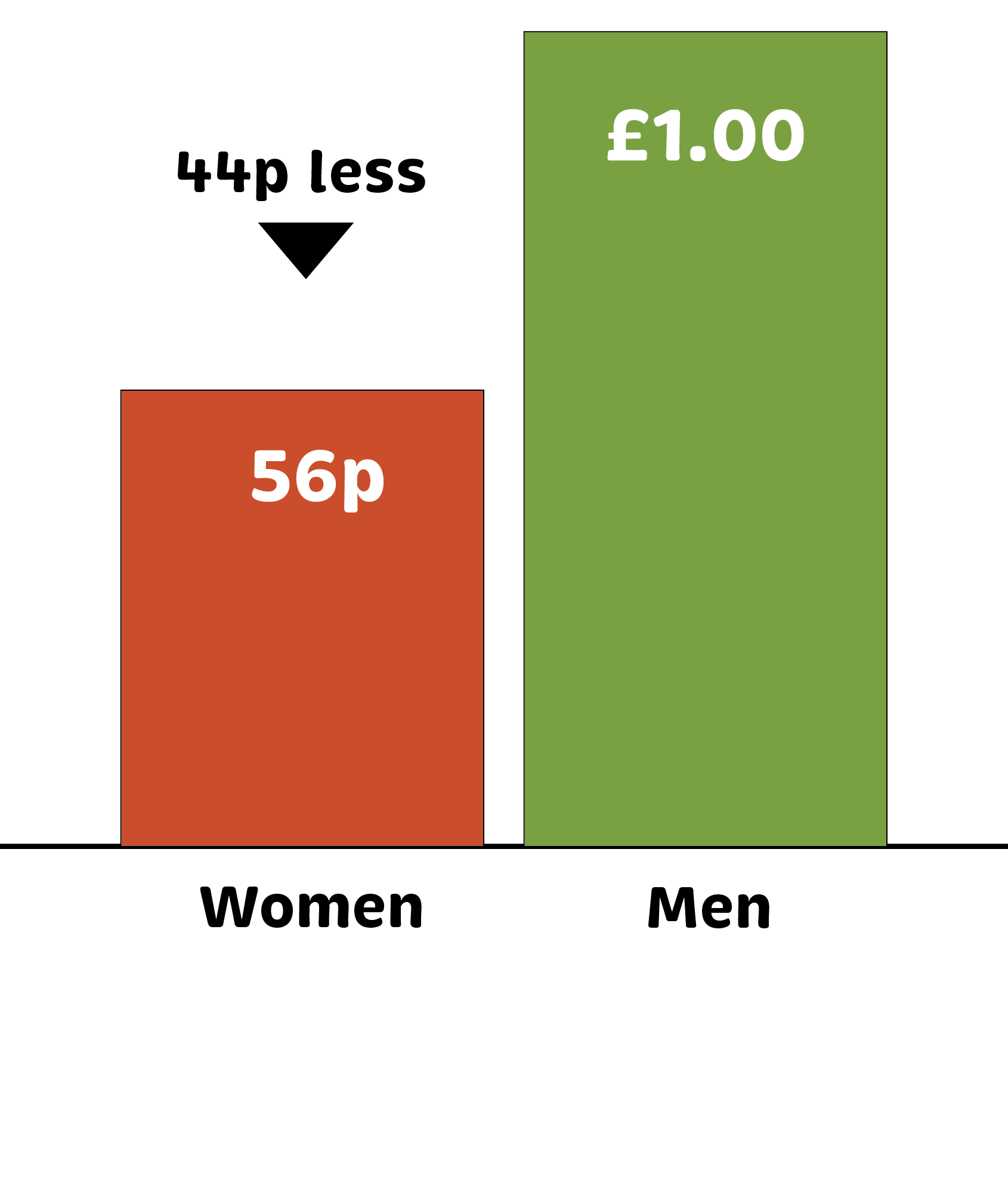
In the Beckfoot Trust, women earn 56p for every £1 that men earn when comparing median hourly pay. Their median hourly pay is 44% lower than men’s. When comparing mean hourly pay, women’s mean hourly pay is 22% lower than men’s.
Beckfoot Trust has a higher proportion of females in every quartile, including the upper quartile. No bonuses were paid to any employee during the reporting period. The gender pay gap is defined as the difference between the average (mean) and the actual midpoint (median) hourly rate of male and female employees.
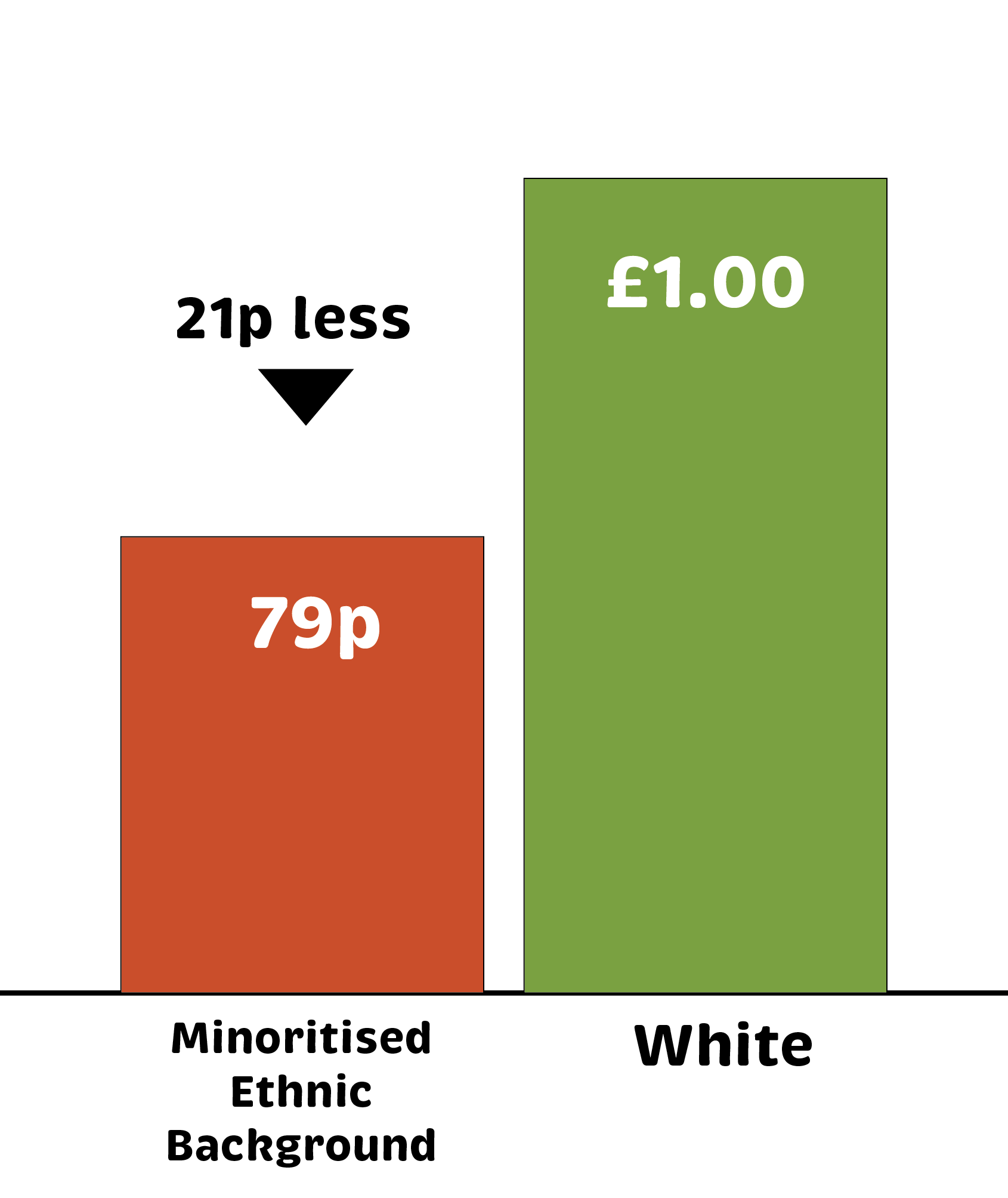
In the Beckfoot Trust, Minoritised Ethnic staff earn 79p for every £1 that white staff earn when comparing median hourly pay. Their median hourly pay is 21% lower than white colleagues’ pay. When comparing mean hourly pay, Minoritised Ethnic staff mean hourly pay is 11% lower than white staff pay.
The data shows there is a greater proportion of white staff than Minoritised Ethnic staff in each quartile, with the highest Minoritised Ethnic representation happening in the lower quartile.
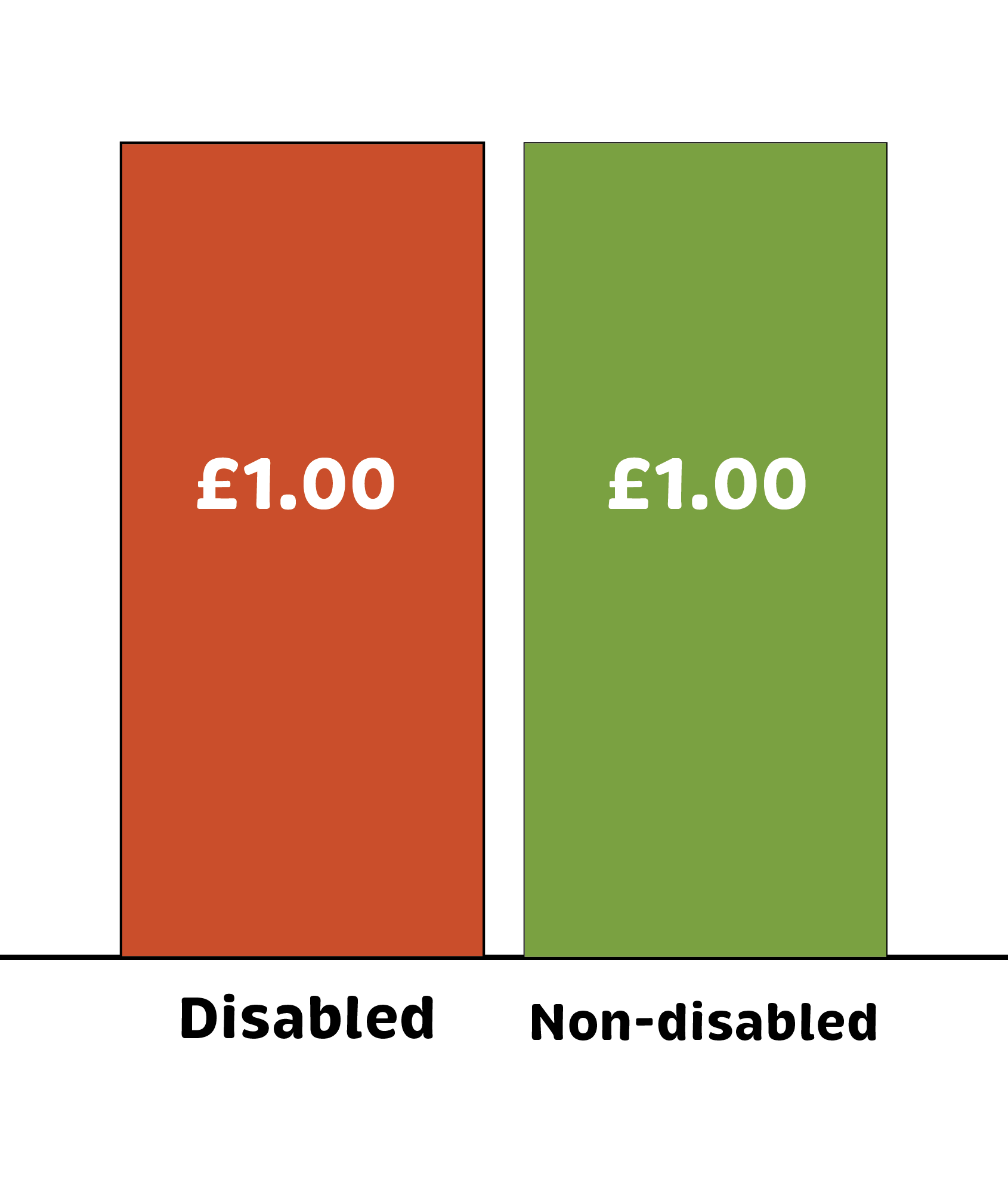
In our Trust, non-disabled staff earn £1 for every £1 that colleagues who are disabled earn when comparing median hourly pay. On average, colleagues who have declared a disability earn slightly less per hour than those who have not. However, when teaching and support roles are analysed separately, teaching roles show a smaller gap in favour of non-disabled colleagues, while support roles show a gap in favour of colleagues who havedeclared a disability.
Gender pay gap reporting is a statutory requirement for employers with more than 250 staff under the Equality Act 2010 (Gender Pay
Gap Information Regulations 2017), and we have reported annually since 2017.
Disability and Ethnicity pay gap reporting are not legal requirements, but voluntary disclosure aligns with our Equity, Diversity and Inclusion
practices.